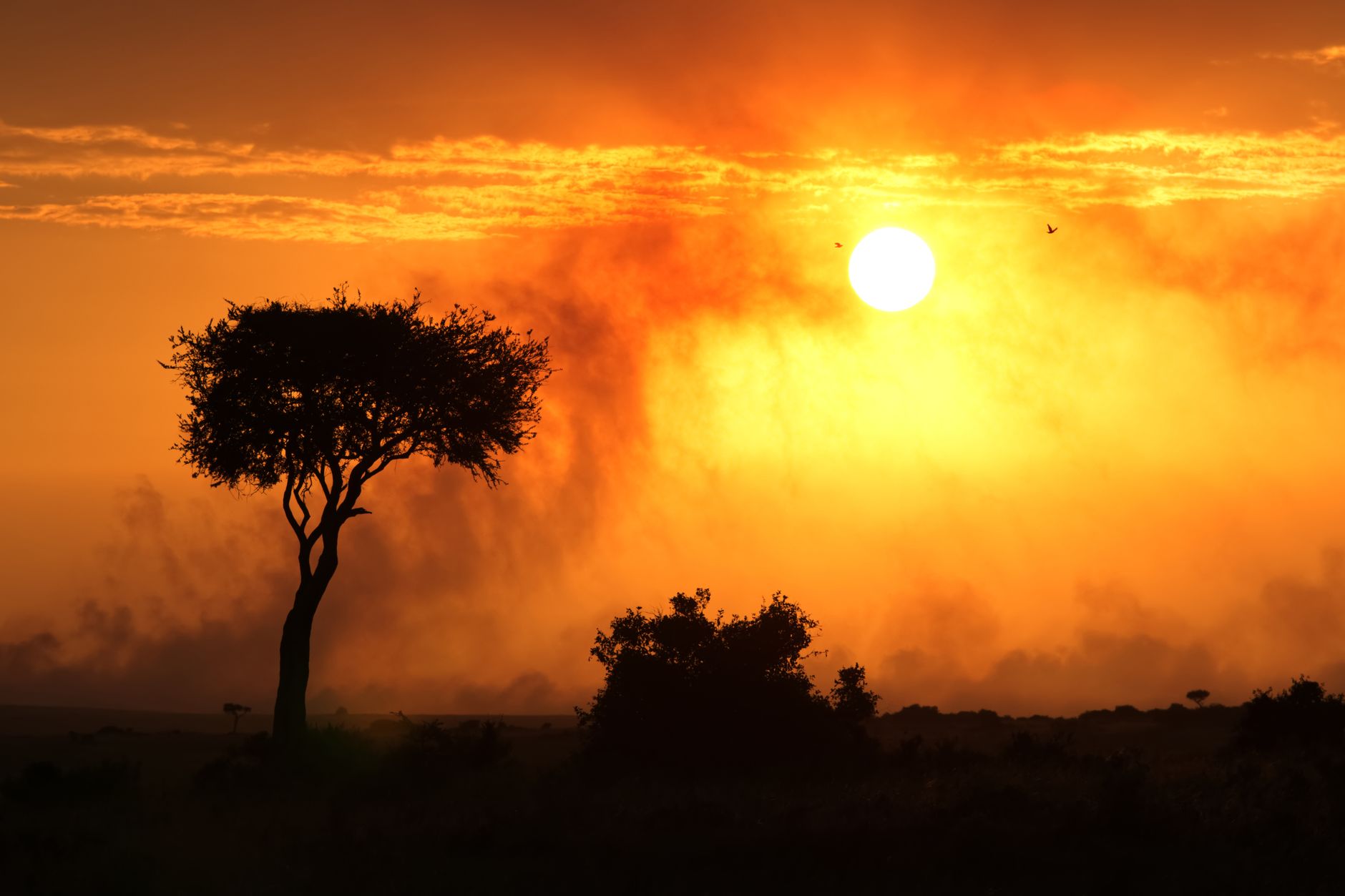
Masai Mara safari night photography is possible, but only in the right place and with the right plan. Inside the main Masai Mara National Reserve, guided night drives are not allowed. In selected private conservancies, they are. That legal detail changes where you stay, what you carry, and how you frame images after sunset.
Can I Photograph Animals at Night in the Masai Mara?
Night drives and wildlife photography after dark are not permitted inside the main Masai Mara National Reserve or Mara Triangle. They are available only in selected private conservancies, including Naboisho, Mara North, Olare Motorogi, and Ol Kinyei. Staying at a conservancy camp is essential if night photography is a priority.
No camp inside the reserve can legally take you out after dark. The Mara Triangle, run separately, follows the same restriction. Private conservancies set their own terms, and many allow night drives with guides, red light, and strict vehicle limits. Staying there also spreads tourism pressure and supports land conservation.
A Masai Mara night drive is usually an extra activity. It may cost more and require a separate guide. If Masai Mara safari night photography is your main goal, choose your camp before you choose your lens.
Camera Settings for Masai Mara Safari Night Photography
Start with a wide aperture around f/2.8, ISO 3200 or higher, and at least 1/125 second for moving animals. Raise ISO before slowing the shutter enough to create blur. Shoot RAW, focus on the eye, and adjust white balance later because filtered spotlights often create a warm colour cast.
- Set aperture to f/2.8 if your lens allows it.
- Set ISO to 3200 or higher for a practical shutter speed.
- Use at least 1/125 second for animals on the move.
- Shoot RAW for more control in post.
- Focus on the eye, not the body.
- Adjust white balance in editing, not in the field.
These camera settings for night safari are starting points. If your camera cannot handle high ISO cleanly, slow the shutter a little before pushing ISO too far. Blurred animals are harder to fix than grainy files.
Which Animals Can I See on a Masai Mara Night Drive?
After-dark drives can reveal leopards, hyenas, genets, servals, owls, lions, and hunting or territorial behaviour that daytime visitors rarely see. Sightings remain unpredictable, and darkness limits image quality. Prioritise eyes, silhouettes, movement, and behaviour rather than expecting the bright, detailed portraits possible during sunrise or sunset.
- Leopards often move along drainage lines or sit in trees.
- Hyenas appear more active after dark, calling and scavenging.
- Genets and servals may hunt in open grass.
- Owls such as Verreaux’s eagle-owl use exposed perches.
- Lions can be on the move during cool nights.
No night drive can promise a species list. The value is in behaviour. A hyena carrying a bone or a leopard scanning a clearing says more about the Mara after dark than a sharp portrait ever will. For more background on the mammals you might meet, see Kenya’s nocturnal animals.
What Equipment and Vehicle Techniques Work Best?
Use a camera with strong high-ISO performance, a fast lens such as f/2.8, spare batteries, extra memory cards, and a lens cloth. A beanbag or stable support on the vehicle is usually more practical than a tripod during a drive. Keep the camera steady, brace your elbows, and avoid changing lenses in dusty conditions.
- Choose a body with good high-ISO performance.
- Pack a fast prime or zoom around f/2.8.
- Carry spare batteries and extra memory cards.
- Use a beanbag on the vehicle window or roof hatch.
- Bring a red headlamp to protect night vision.
- Keep a lens cloth and blower handy for dust.
A private vehicle can help because you control the spotlight angle, stopping, and waiting time. Read about whether a private safari vehicle is worth the cost before you decide.
How Do I Photograph the Night Sky Safely?
Yes, star photography is possible when the camp or guide provides a safe, suitable location away from vehicle movement and artificial light. Use a tripod, manual focus, a wide aperture, and a long exposure of roughly 15 to 30 seconds. Include an acacia, landscape, or silhouette for context.
- Ask your guide for a safe spot to set up.
- Focus manually on a bright star or a distant acacia.
- Expose for 15 to 30 seconds, depending on your lens.
- Shoot RAW and check the histogram.
- Switch off white lights once the camera is ready.
A star photography safari can be separate from a wildlife night drive. Do not expect the same vehicle to do both. If storms roll in, listen to the guide. Read about staying safe during changing safari weather before you travel.
What Are the Ethical Rules of Night Photography?
Never use flash, chase animals, demand closer positioning, or ask a guide to keep a spotlight fixed on an animal. Responsible drives use controlled red-filtered light, authorised tracks, low noise, and respectful distances. These limits protect nocturnal behaviour and often produce more natural photographs than intrusive lighting.
- No flash, ever.
- Use red-filtered spotlights only.
- Let the guide sweep the light rather than hold it on one animal.
- Stay on authorised tracks.
- Keep voices low and engines steady.
- Put the animal’s welfare above the photograph.
The guide sets the distance. If an animal changes posture or moves away, back off. A night photo is not worth stressing a leopard or a serval.
Your Next Step: Choose a Conservancy and Compare Operators
TouringInsights is an independent guide, so the next action is yours. Compare safari operators that run night drives in Naboisho, Mara North, Olare Motorogi, or Ol Kinyei. Browse packages from FindMySafari, Valley Safaris, and Trunktrails Safaris, then ask each operator which conservancy camp they use. Confirm the night drive policy, spotlight rules, and whether the camp is inside the conservancy before you pay.
More safari planning resources
- Maasai Mara interactive map from SafariPure
- Masai Mara Great Migration guide from Trunktrails Safaris
- Interactive Maasai Mara map from Valley Safaris
- Camera advice for your first safari, on FindMySafari